Executive Brief
Start with the compressed committee orientation and non-substitution posture.
This v442 public artefact layer preserves the protected substrate whitepaper, consolidated pack, public PDFs, diagrams and search metadata while keeping protected programme evidence, live reviewer notes, identity-bound logs and workspace records outside the public surface.
One downloadable bundle containing the public PDFs, diagrams, pack manifest and recommended committee review order. The public search route exposes document detail metadata without exposing protected evidence.
Use the public search route to filter by category, file type, format and review purpose before entering protected diligence.
Committee-level entry points and compressed orientation artefacts.
Governance Spine, Institutional Assurance Layer, Four Protected Institutional Substrates and Institutional Review Index.
Data sovereignty, evidence request and procurement-safe review material.
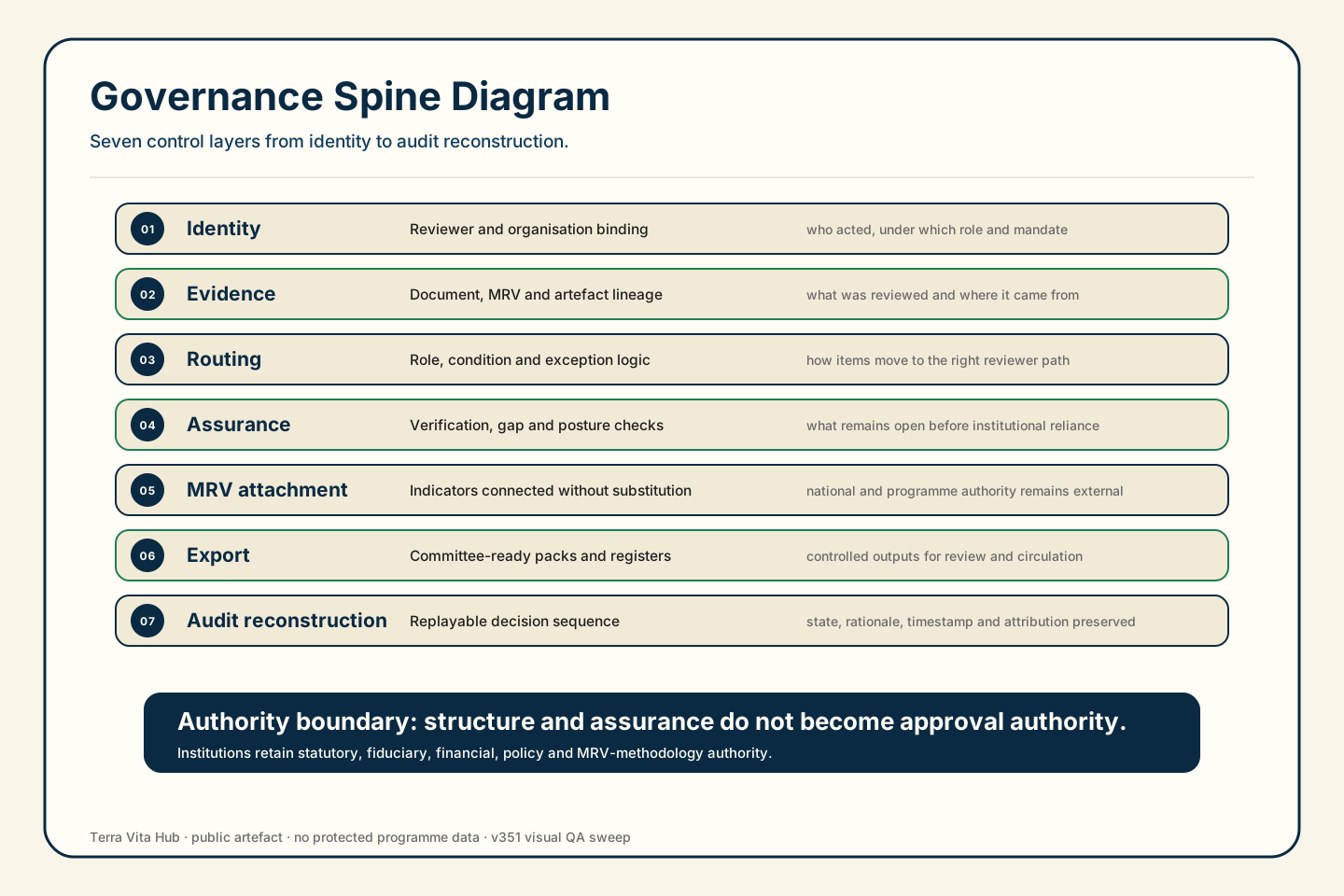
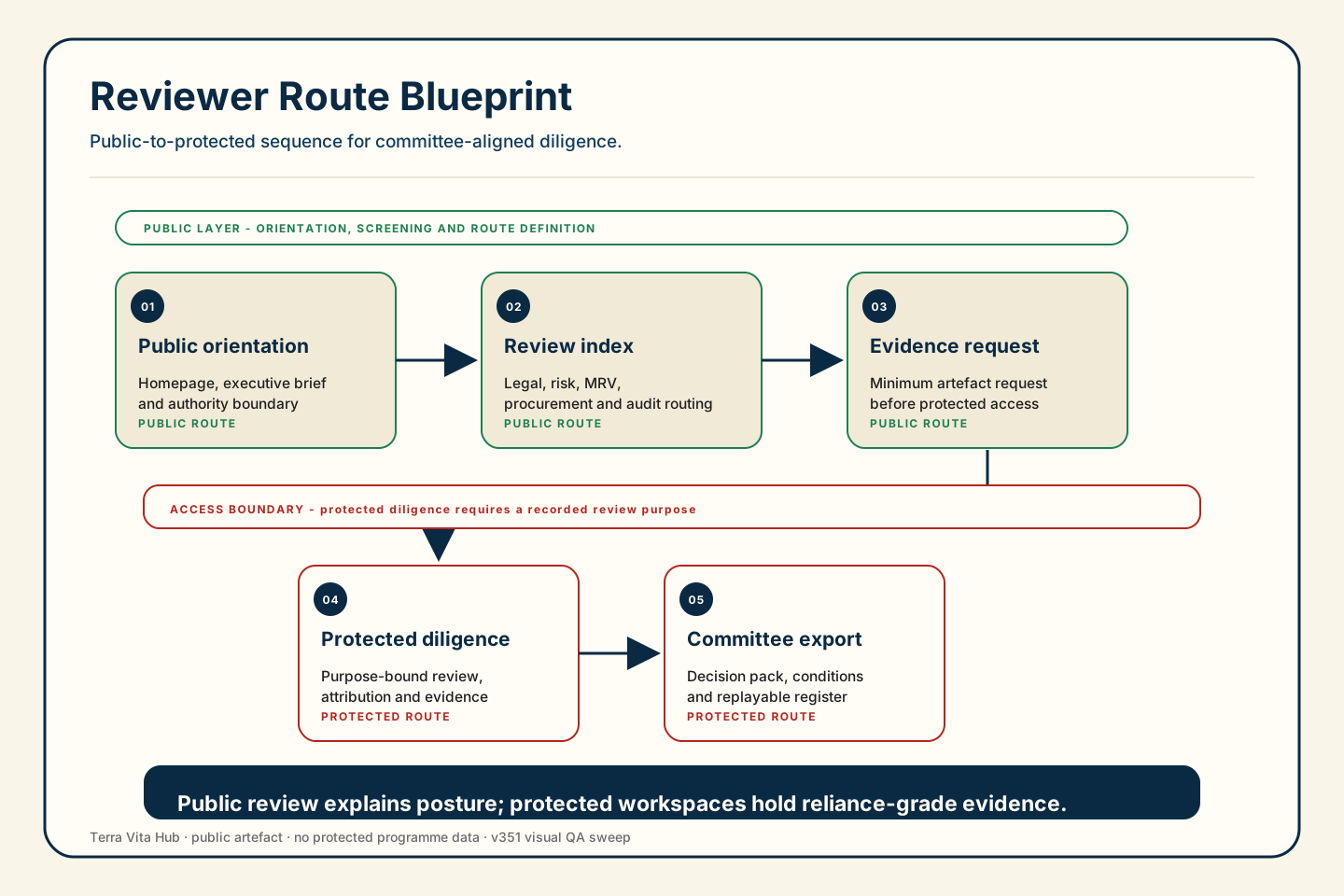
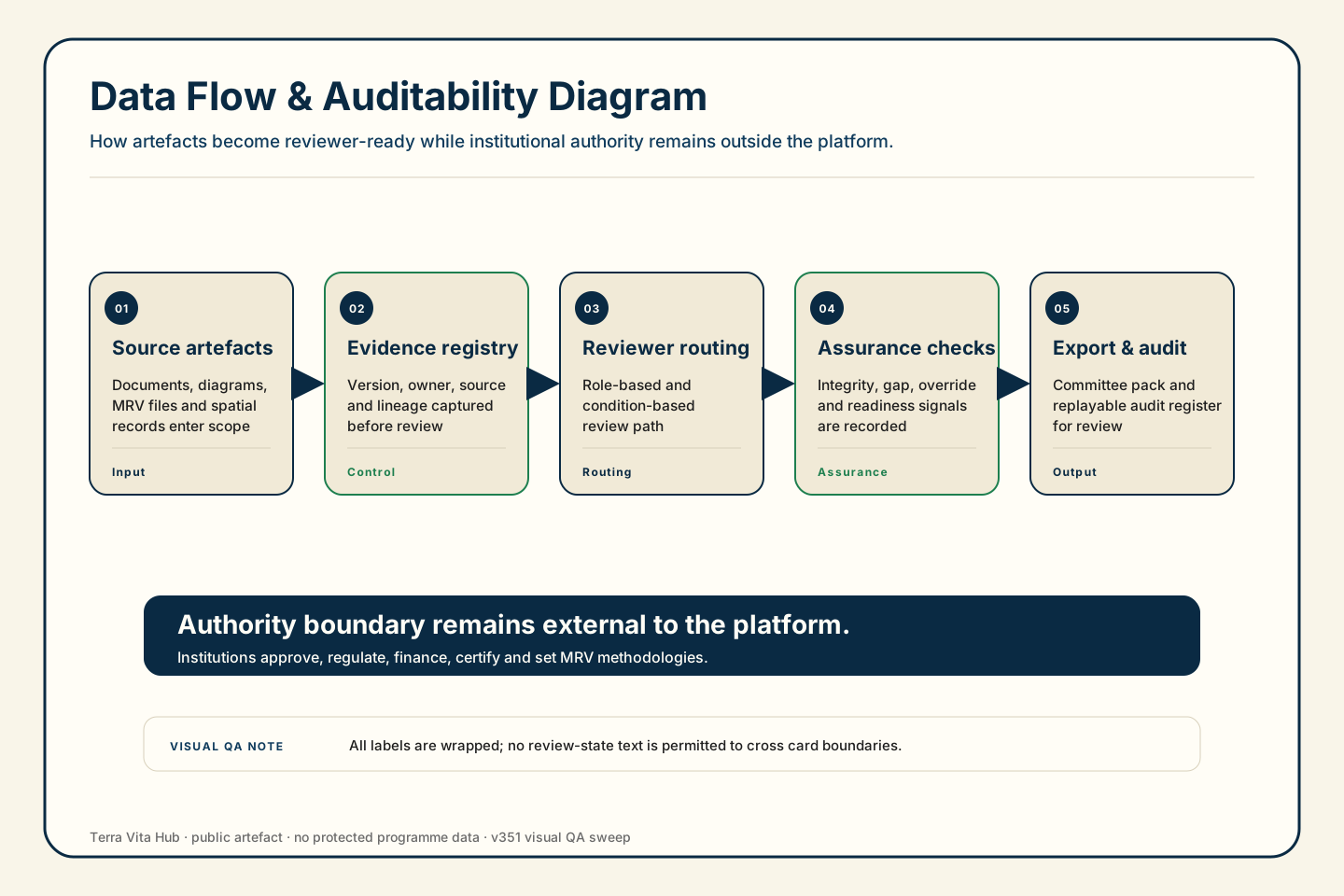
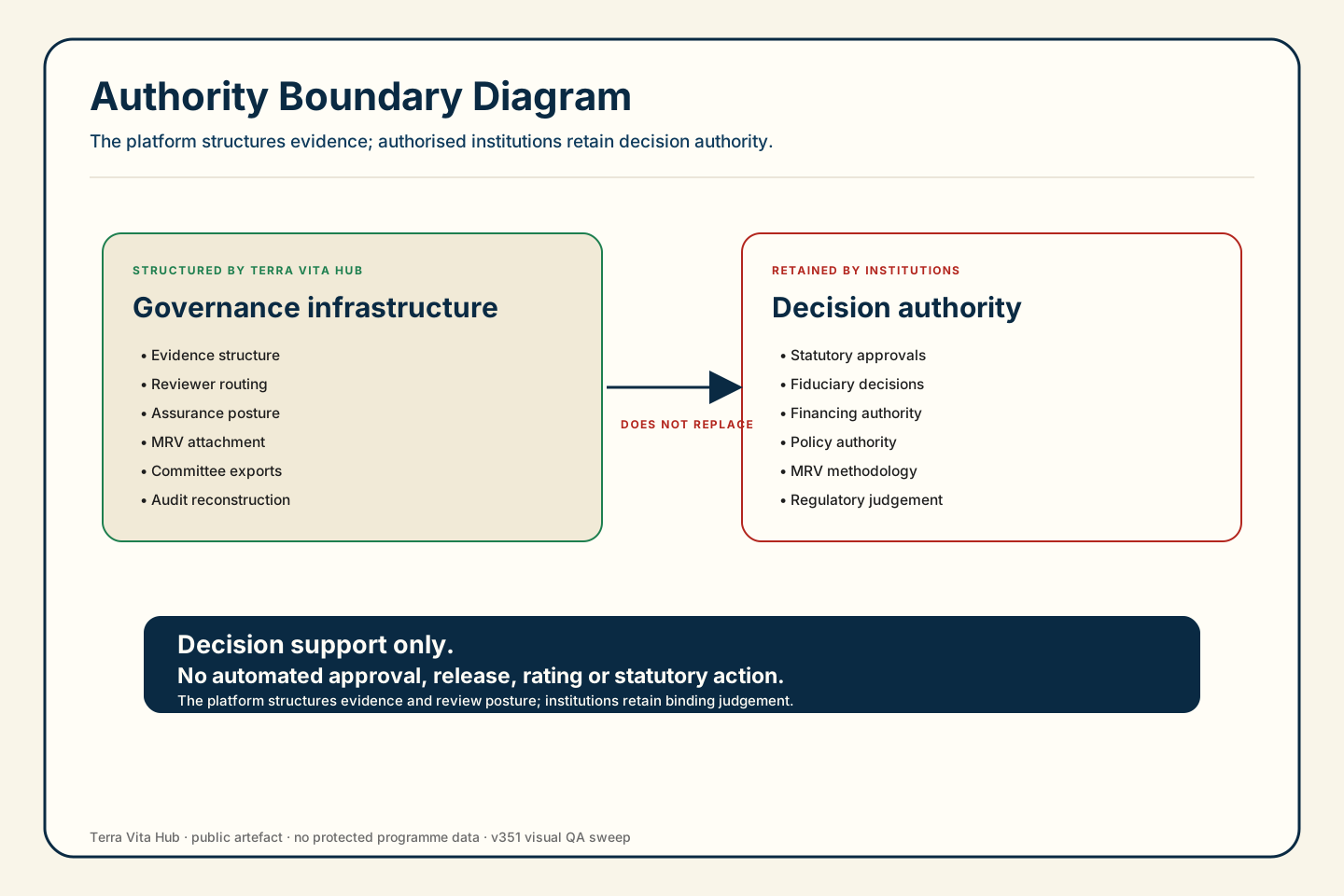
Governance spine, reviewer route, data flow and authority boundary visuals.
Full SHA-256 fingerprints for public artefact verification.
This order is designed for committees, DFIs, ministries, auditors and procurement reviewers that need a controlled route from public orientation into evidence-bound review.
Start with the compressed committee orientation and non-substitution posture.
Use the broader institutional brief to align legal, fiduciary, MRV and procurement reviewers.
Review the control architecture from identity binding through audit reconstruction.
Check evidence integrity, reviewer accountability, overrides and institutional memory.
Confirm how assurance outputs become committee-ready export objects with reliance boundary, sharing manifest and ledger path.
Inspect the protected workflow map for verification dossier, lock register, reliance statement and conditions log.
Confirm recipient purpose, export manifest, snapshot hash, revocation controls and reconstruction pathway.
Confirm hosting, residency, export, retention and jurisdictional boundaries.
Use the minimum request as the bridge into protected diligence.
Assess reviewer calibration, consistency, bias exposure and meta-governance posture.
Use visual artefacts and the consolidated bundle for committee circulation and route alignment.
Ultra-compressed committee brief covering purpose, institutional posture, governance spine and reliance boundary.
Primary four-page committee artefact for the public-to-protected reviewer route.
Public-surface whitepaper explaining ABE, PERE, RAR and ICRR as protected institutional substrates for evidence-bound review.
Whitepaper covering the seven-layer governance spine, control layers and audit reconstruction.
Whitepaper for assurance primitives, evidence integrity and reviewer accountability.
Whitepaper on reviewer calibration, oversight, consistency, bias exposure and meta-governance.
Configuration-driven data residency, export controls, retention and jurisdictional isolation posture.
Minimum evidence request checklist for procurement, vendor-risk and protected diligence routing.
Reviewer memo outlining remaining questions after homepage review and protected diligence routing.
Structured reviewer route summary for public review, committee materials and protected diligence.
Bridge artefact between public orientation and protected sovereign programme diligence.
Each diagram remains a public SVG artefact with detail-page preview, labelled integrity metadata and inclusion in the consolidated pack.
Seven control layers from identity to audit reconstruction.
Public-to-protected route for committee-aligned diligence.
How source artefacts become evidence, review states and export-ready audit registers.
Shows what Terra Vita Hub structures and what institutions retain.